
Mirror Polishing of Aluminum Alloy Processing
Updated: May 22, 2025
Mirror polishing of aluminum alloy processing is the dazzling art of surface treatment
In modern manufacturing, surface treatment is one of the key steps to give products beauty and texture. Aluminum alloys are widely used in aviation, automobiles, electronics and other fields due to their excellent properties such as light weight, high strength and corrosion resistance.
In order to further improve the appearance quality of aluminum alloy products, the mirror polishing process in aluminum alloy processing has become the focus of attention.
01. The importance of aluminum alloy surface treatment
During the manufacturing process, aluminum alloys may be affected by processes such as extrusion, casting or cutting, and the surface may have defects, oxide layers or machining traces. These surface defects not only affect the appearance of the product, but also may reduce its corrosion resistance and mechanical properties.
Therefore, through surface treatment methods, the surface of aluminum alloys is made smoother and brighter, which is not only beautiful, but also helps to improve its wear resistance and corrosion resistance.

02. Aluminum alloy polishing process
Polishing is a surface treatment method that improves the surface finish by abrasive particles in friction and friction. For aluminum alloys, polishing can not only remove surface defects, but also create a surface with a mirror-like gloss.
Aluminum alloy polishing usually includes the following steps:
a. Pretreatment
Before polishing, the aluminum alloy surface must be properly pretreated. This may include removing the oxide layer, cleaning oil and impurities to ensure that surface defects can be effectively treated during the polishing process.
b. Rough grinding
Rough grinding is the first step of polishing, which removes surface roughness and defects by using abrasives with larger abrasive particles. This step is designed to quickly flatten the surface and create conditions for subsequent polishing processes.
c. Polishing
The polishing stage is to gradually grind the surface of the aluminum alloy to make it smoother. Usually, abrasives with gradually smaller particles are used to gradually improve the gloss of the surface through mechanical or chemical polishing.
d. Final treatment
After the polishing reaches a certain stage, the final treatment can be carried out, using extremely fine abrasives or polishing pastes to further improve the brightness and finish of the surface.

03. Application of polished aluminum alloy
Polished aluminum alloy surface usually has a mirror-like bright light, which makes it widely used in many fields:
a. Auto parts
In automobile manufacturing, polished aluminum alloy is often used to manufacture body trims, wheels and other parts. Its high finish and beauty provide a unique appeal to the appearance of the car.
b. Household items
Polished aluminum alloy is common in household items, such as kitchen utensils, furniture frames, etc. These products not only have a noble appearance, but are also easy to clean and maintain.
c. Aerospace field
In the aerospace field, polished aluminum alloy is used to manufacture aircraft shells, interiors, etc. to enhance the appearance of the aircraft and reduce the overall weight.
d. Electronic products
Polished aluminum alloy is also widely used in electronic products, such as laptop shells, smartphone frames, etc. Its bright appearance adds a sense of fashion to the product.
04. Precautions
When polishing aluminum alloys, the following matters need to be noted:
a. Material selection
Different types of aluminum alloys have different adaptability to polishing, so it is necessary to understand the characteristics of the material before polishing.
b. Process control
Precise process control is required during the polishing process, including the selection of abrasives, pressure and speed control, to ensure the expected finish and glossiness.
c. Safety protection
Polishing involves the use of grinding dust and chemicals, and operators need to wear appropriate protective equipment to ensure safe production.
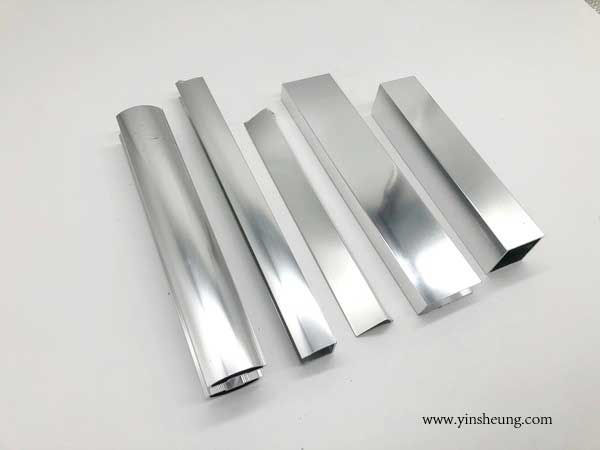
The aluminum alloy mirror polishing process not only improves the appearance quality of aluminum alloy products, but also expands its application areas.
The application of this process fully meets consumers' pursuit of high-quality products. In the future, with the continuous development of surface treatment technology, the aluminum alloy mirror polishing process is expected to show its unique charm in more fields.



Comments